
SEO Strategy for Small Businesses: Step-by-Step Guide for 2026
Building a strong online presence is more important than ever, but small businesses often struggle with limited resources and time. This guide explains how to create an effective SEO strategy for small business 2026—step by step, with actionable advice you can apply immediately. You’ll learn how to plan, implement, and measure a winning SEO campaign tailored to your specific services or products.
In this article:
- Key takeaways
- Why Is a Tailored SEO Strategy Essential for Small Businesses in 2026?
- How Do You Plan an Effective SEO Campaign for a Small Business?
- What Steps Are Involved in Implementing a Winning SEO Strategy for Small Business in 2026?
- How to Measure SEO Success and Adjust Your Strategy in 2026?
- Frequently Asked Questions
- Conclusion
Through real-world examples and proven tactics, discover how automation platforms like Inowara help small businesses achieve organic growth without a dedicated content team. Whether you own a local service, manage an agency, or run an online store, this article will show you how to leverage automated, customized content and smart SEO analysis to boost visibility and attract more clients in 2026.
Key takeaways
- A custom, data-driven SEO strategy is vital for small business success in 2026.
- Automation and AI tools like Inowara make effective SEO accessible and scalable.
- Continuous analysis and adaption are essential to stay ahead in competitive search results.
- Original, business-specific content outperforms generic SEO templates.
Why Is a Tailored SEO Strategy Essential for Small Businesses in 2026?

The SEO landscape in 2026 is more dynamic and competitive than ever, especially for small businesses aiming for visibility against larger brands. Search engine algorithms now favor not just relevant keywords, but also unique, high-quality content and seamless user experience. In this environment, a tailored SEO strategy for small business 2026 is not just helpful—it’s essential for growth and survival.
Generic, one-size-fits-all approaches are no longer effective. Search engines are increasingly capable of recognizing duplicate and templated content. Small businesses that rely on generic blog posts or outdated SEO practices see diminishing returns, while those using data-driven, business-specific content get better rankings and more qualified leads. For example, a dental clinic or an accounting firm benefits far more from blog posts and landing pages tailored to their actual services and local markets than from generic advice articles.
This is where automation and AI-driven platforms like Inowara make a difference. By analyzing your website’s existing pages and services, Inowara generates original, SEO-optimized content that reflects your real offerings—eliminating the risk of being penalized for duplicated or irrelevant content. Automation ensures consistent publishing, while the option for final review preserves the human touch and brand voice.
Moreover, access to AI-powered tools levels the playing field. Small businesses can now compete with larger enterprises in content volume and quality without hiring a full content team. By leveraging solutions such as AI content for local service businesses, owners of local services, dental clinics, or law firms can regularly update their sites with targeted articles and landing pages for every service and location—something that previously required a significant budget and resources.
In summary, a tailored, automated, and data-driven SEO strategy empowers small businesses to stand out in crowded markets. Investing in original, business-specific content is no longer an option but a necessity for anyone seeking organic growth in 2026.
How Do You Plan an Effective SEO Campaign for a Small Business?
Effective SEO planning is the backbone of any successful small business SEO strategy for 2026. The process begins with thorough keyword research, where you identify search terms that your potential customers are using. Focus not only on broad, high-competition keywords but also on long-tail phrases that reflect your specific services, locations, or unique selling points. For example, a dental clinic in Belgrade should target phrases like “teeth whitening Belgrade” rather than just “teeth whitening.”
Next, competitor analysis helps you understand who is ranking for your target keywords and why. Analyze what content formats, topics, and backlink strategies your competitors use. This reveals gaps and opportunities for your own content—allowing you to prioritize themes that are both winnable and relevant to your audience. Automated platforms like Inowara make this step faster and more data-driven by reviewing your current site, your competitors, and suggesting realistic topics and keywords you can rank for.
Content mapping is the logical next move. This means planning which pages or blog posts will target which keywords and how they will link together. Internal linking is especially important for small business SEO, as it passes authority between your most important pages and improves site navigation for both users and search engines. In 2026, it’s also crucial to plan for a variety of content types, including landing pages for each service or location, and engaging blog posts that address customer questions.
SEO Tips for 2026: Trends to Watch
- Leverage AI-powered content: Automated solutions like Inowara can generate original, SEO-optimized blog posts and landing pages, tailored to your actual services and localities. This ensures your messaging is always relevant and up-to-date.
- Prioritize local SEO: Make sure every service and location you offer is represented by a dedicated, optimized page. Platforms built for local businesses, such as AI content for local service businesses, can automate this process and boost visibility in local searches.
- Prepare for voice search: As more users search by voice, optimize your content for conversational queries and featured snippets. Use natural language and answer common questions directly within your content.
With the right tools, SEO planning doesn’t have to be overwhelming. Platforms like Inowara handle everything from keyword and topic selection to content creation and multi-channel publishing—so you can focus on your business. Take a look at their approach: Six steps, none of them yours to write.
What Steps Are Involved in Implementing a Winning SEO Strategy for Small Business in 2026?
Implementing a winning SEO strategy for small business 2026 requires a clear, actionable process that covers both the fundamentals and the latest automation opportunities. Here’s a step-by-step approach tailored for small businesses, online shops, and local service providers:
- Content Planning and Creation
Start by analyzing your website’s existing pages and services. Identify keyword opportunities based on realistic targets for your niche and location. Platforms like Inowara can automate this step by evaluating your site and generating a monthly content plan—mapping out blog topics, landing pages, and target keywords. For example, a dental clinic might focus on city-specific service pages (“teeth whitening in Novi Sad”) and FAQ blog posts. - SEO-Optimized Content Production
Producing original, keyword-rich articles and landing pages is crucial. Automated solutions handle not only writing but also adapt tone and content to your business profile, ensuring relevance and uniqueness. For local service businesses, solutions like AI content for local service businesses automatically generate and publish content tailored to each service and location, complete with internal links and even social posts. - On-Page SEO Optimization
Every new page should include optimized meta tags, structured headings, and schema markup where relevant. Automated platforms streamline this by embedding SEO best practices directly into each post or landing page. For online shops, this means product and category pages are always up to date with relevant metadata and structured data for rich snippets. - Technical SEO and Integration
Ensure your website loads quickly, is mobile-friendly, and all pages are crawlable. Inowara supports automated, multi-channel publishing on WordPress, Webflow, Ghost, and even custom CMSs through API or webhook integrations. This is particularly valuable for agencies or businesses with unique platforms, as content can flow directly from planning to live publication without manual uploads. - AI Image Generation for Engagement
Modern content strategies rely on more than text. Automated image generation ensures every article and landing page includes unique visuals relevant to your services or products, improving both user experience and SEO signals. - Ongoing Optimization and Review
Regularly track performance using analytics to identify what works and where to improve. Automated solutions offer a review phase before publishing, allowing you to make final edits or adjustments, ensuring each piece meets your standards and remains aligned with your business goals.
By following these steps—and leveraging automated platforms that handle everything from content planning through to multi-channel publishing—small businesses can focus on their core services while ensuring their SEO strategy remains effective, scalable, and tailored to the realities of 2026. For service businesses looking for a hands-off approach to content, AI content for local service businesses is specifically designed to address the needs of local providers seeking organic growth without an in-house content team.
How to Measure SEO Success and Adjust Your Strategy in 2026?
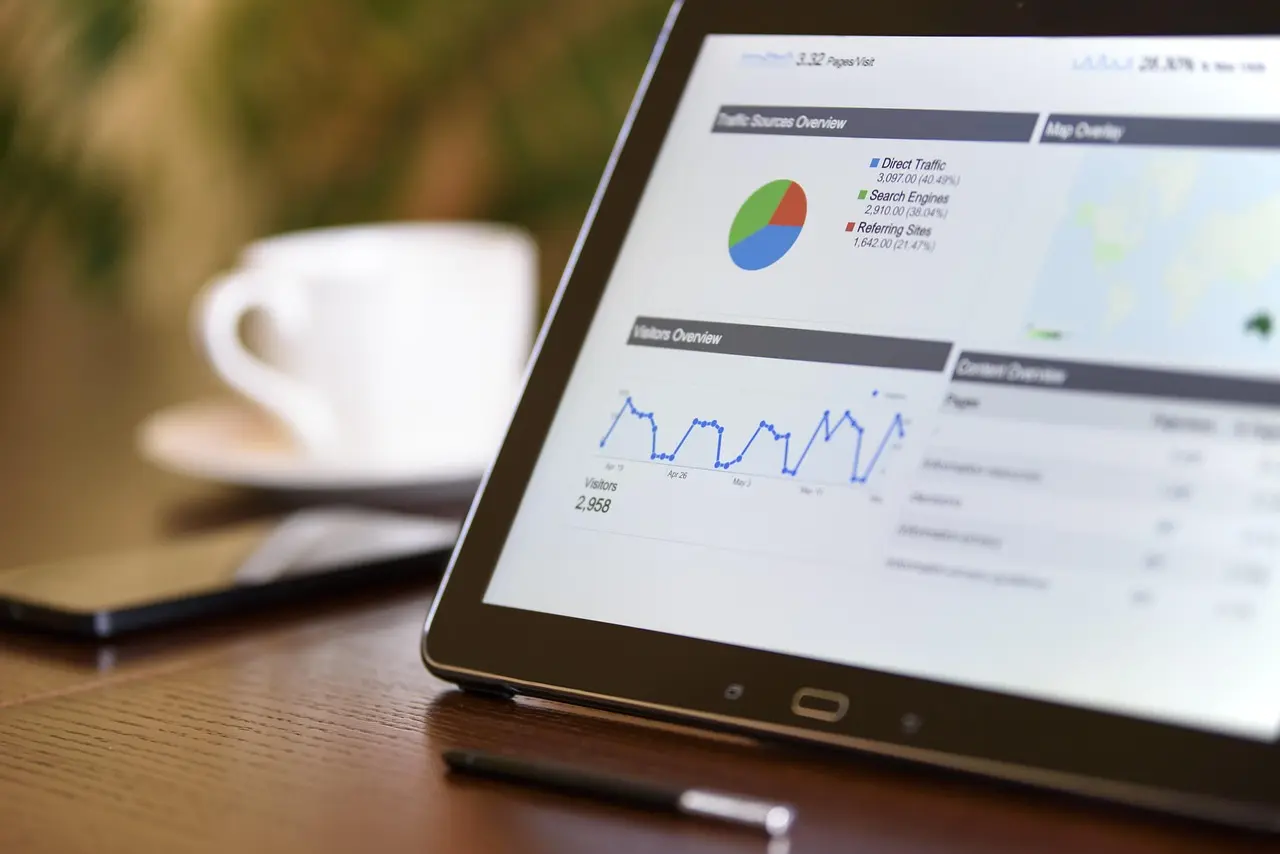
Measuring the effectiveness of your SEO strategy for small business 2026 requires a clear focus on metrics that directly impact business growth. For small businesses, the most telling indicators are:
- Organic traffic: Number of visitors arriving through search engines.
- Keyword rankings: Position of your website for targeted search terms relevant to your services.
- Conversions: Actions that matter to your business—such as form submissions, calls, or purchases—originating from organic search.
| Metric | Why It Matters | How to Track |
|---|---|---|
| Organic Traffic | Shows reach and visibility in search results | Google Analytics, Inowara’s monthly reports |
| Rankings | Measures progress for priority keywords | Google Search Console, Ahrefs, automated SEO tools |
| Conversions | Connects SEO efforts to real business results | Analytics goals and event tracking |
Automated analysis and reporting tools are essential for tracking progress and uncovering new opportunities. Platforms built for small business SEO, such as Inowara, provide continuous monitoring and actionable insights without relying on a full in-house content team. By leveraging automated monthly content plans and data-driven keyword recommendations, you can ensure your site’s content remains aligned with what your audience is searching for—adjusting quickly as trends shift in 2026.
For example, if you’re a local dental clinic using Inowara’s integration with Ghost, you’ll receive not just automated content publication, but also performance analytics showing which landing pages and blog posts are driving the most new patient inquiries. This feedback loop allows you to refine your SEO planning—doubling down on topics and formats that convert, and phasing out underperforming keywords or services.
Ultimately, measuring SEO success is not a one-time task. It requires regular review of your analytics, adjusting your monthly content plan based on what’s working, and taking advantage of platforms that automate both the creation and performance tracking of your SEO content. By focusing on the right metrics and leveraging tools designed for small businesses, you can achieve sustainable organic growth in 2026.
Frequently Asked Questions
What are the most important SEO trends for small businesses in 2026?
In 2026, the top SEO trends for small businesses include AI-driven content automation, search intent optimization, voice search readiness, and hyper-local targeting. Automated platforms like Inowara that tailor content directly to business services and real user needs will be essential for staying competitive and improving organic reach.
How much does it cost to automate small business SEO?
Automating small business SEO varies in cost depending on the platform and level of service. Some solutions offer monthly subscriptions, while others may charge per article or integration. Inowara, for example, provides flexible options that include content planning, creation, and publishing, potentially saving businesses the expense of hiring a dedicated content team.
Can AI-generated content outrank manually written articles?
AI-generated content can outrank manually written articles when it is original, tailored to the business’s actual services, and optimized for user intent and SEO best practices. Platforms like Inowara ensure content is customized and relevant, which can outperform generic or template-based manual writing.
How long does it take to see SEO results for a small business?
Most small businesses start seeing initial SEO improvements within 2–3 months, but significant organic growth typically takes 4–6 months. Automated solutions that regularly publish optimized, relevant content—such as Inowara—can help accelerate this timeline by maintaining consistent activity and targeting realistic keywords.
Do small local businesses need a different SEO strategy than online stores?
Yes, local businesses benefit from hyper-local optimization, including location-specific keywords, Google Business Profile management, and localized landing pages. Online stores should focus more on product-driven keywords and broader search intent. Platforms like Inowara can automate both strategies by tailoring content to each business type and service area.
What are the best tools for small business SEO planning in 2026?
Top tools for 2026 include automated content platforms like Inowara for end-to-end planning, writing, and publishing, as well as analytics tools for competitor analysis and keyword research. Integrations with major CMS systems and AI-driven SEO analysis are essential for efficiency and effective content targeting.
Ready to automate your SEO strategy?
If you want to grow your website organically without building a content team, discover how Inowara can handle automated SEO content, landing pages, and AI images tailored to your business. Explore the full service at inowara.com.
Conclusion
Building a tailored SEO strategy is no longer optional for small businesses in 2026—it is essential for visibility and sustainable growth. By leveraging automation and data-driven insights, business owners can achieve consistent, high-quality SEO content without a dedicated in-house team. Tools like Inowara offer a solution that combines automatic planning, writing, and publishing of original SEO content, all adapted to your unique services and audience.
If you are ready to accelerate your website’s organic growth and simplify your SEO workflow, discover how Inowara’s automated platform can help you achieve measurable results. Take the next step toward smarter, fully automated SEO by visiting Inowara.