
How to Achieve Organic Growth With Consistent Content Publication for SEO
Consistent content publication for SEO is the most reliable way to achieve steady organic growth, no matter the size of your business or your industry. In this article, you’ll learn step-by-step how to plan, automate, and evaluate your content strategy to maximize your website’s performance in search rankings.
In this article:
- Key takeaways
- What You Need to Get Started
- Step 1: Establish a Regular Content Schedule for SEO Improvement
- Step 2: Automate Content Creation and Publishing
- Step 3: Measure the Benefits of Regular Blogging and Adjust
- Frequently Asked Questions
- Conclusion
If you are a small or medium business owner, agency, or local service provider without a dedicated content team, there are now platforms like Inowara that automate every step of publishing SEO-optimized blogs and landing pages, tailored directly from your website’s actual services. Read on to discover how this approach saves time, ensures original content, and keeps your site moving up in Google results.
Key takeaways
- Consistent content publication is crucial for long-term organic growth and stronger SEO results.
- Automated planning, writing, and publishing streamline the process and help maintain regularity.
- A tailored content strategy, supported by tools like Inowara, increases efficiency and ensures content fits your business profile.
- Tracking and refining your approach based on real data maximizes the benefits of regular blogging.
What You Need to Get Started

To start achieving organic growth through consistent content publication for SEO, follow these actionable steps to set the right foundation:
- Analyze your current website content and SEO performance.
- Use SEO analysis tools to identify which keywords you currently rank for, which pages are driving the most traffic, and where your competitors outperform you.
- Pinpoint content gaps—topics or services your audience searches for but are missing or underrepresented on your site.
- Successful completion: You have a clear list of priority topics, target keywords, and underperforming pages to address.
- Collect essential business and audience information.
- Document your core services, unique selling points, and any local or industry-specific factors.
- Define your target audience: demographics, pain points, and typical search intent related to your offerings.
- Successful completion: You possess a concise business and audience profile to guide content creation, ensuring relevance and accuracy.
- Choose a content automation platform that fits your needs.
- Research solutions that automate planning, writing, and publishing, such as Inowara, which can generate SEO-optimized content directly from your business data and services.
- Ensure the platform supports your CMS (e.g., WordPress, Webflow) for seamless automated publishing.
- Look for features like content review and editing before publishing, to maintain quality and alignment with your brand voice.
- Successful completion: Your chosen tool is integrated with your site, ready to plan and deliver regular, tailored content with minimal manual effort.
For example, if you run a dental clinic, you can leverage AI content for dental clinics to automatically generate blog posts and local landing pages based on your actual treatments and service locations—ensuring each piece is both unique and relevant.
By preparing in this way, you lay the groundwork for a sustainable, results-driven approach to regular blogging that maximizes SEO benefits while minimizing time investment.
Step 1: Establish a Regular Content Schedule for SEO Improvement
Start by defining a realistic publishing frequency that aligns with your business goals and available resources. For most small and medium businesses, aiming for at least one well-optimized blog post per week is ideal—enough to signal activity to search engines, but not so much that quality slips. If you operate in a competitive local market, consider whether you can sustain two posts per week by streamlining your workflow or leveraging AI-powered tools.
- Audit your current resources: Evaluate who will create content, whether you have internal expertise, or if you’ll rely on automated platforms like Inowara. Factor in time for keyword research, outlining, writing, review, and publishing.
- Set up a content calendar: Use a simple spreadsheet or a project management tool to map out upcoming topics, post formats (blog, landing page, case study), and clear deadlines. Make sure topics align with your actual services and target keywords—AI platforms can analyze your existing site and suggest relevant subjects and publishing intervals.
- Plan for consistency: Assign owners for each task and schedule regular review sessions. Automated solutions allow for final edits before publishing, ensuring every article matches your business profile and brand standards.
Maintaining a consistent content publication for SEO brings measurable benefits. Search engines favor sites that regularly update with relevant, unique content, leading to better keyword rankings and increased domain authority over time. For example, a local accounting firm that publishes new articles every week about tax deadlines and service-specific topics will steadily grow its organic traffic and outperform competitors with sporadic updates.
| Publishing Frequency | SEO Impact | Resource Demand |
|---|---|---|
| Monthly | Low | Low |
| Weekly | High | Medium |
| Biweekly | Moderate | Medium |
For service businesses looking to grow without building a full content team, automated solutions such as AI content for local service businesses can generate and schedule SEO-optimized articles and landing pages based on the real services you offer and the cities you target. When you establish and follow a regular content schedule, you set the stage for sustainable organic growth—and with the right tools, you can do so efficiently.
Step 2: Automate Content Creation and Publishing
Automating content creation and publishing is the fastest way to achieve consistent content publication for SEO without hiring a dedicated content team. To begin, leverage platforms that use your website’s real data to generate SEO-optimized blog posts, landing pages, and even images. Inowara, for instance, takes the services and information already present on your website to create original texts tailored to your business—no generic templates, only content that reflects your unique offerings. This is particularly useful for service-based businesses, such as dental clinics, where AI content for dental clinics can automatically generate posts about treatments and local landing pages, always ready for review before publishing.
Follow these steps to automate your content workflow:
- Connect your website and data sources to the automated platform. This allows the system to analyze your existing pages and services.
- Review the suggested content plan based on SEO analysis of your niche, competitors, and keywords that are feasible to rank for. Platforms like Inowara provide a plan for regular blogging and landing page creation.
- Enable automated publishing by integrating your CMS—such as WordPress, Webflow, or Ghost—using built-in connectors or custom API/webhook options. This ensures your new content is delivered directly to your site and other channels, right on schedule.
- Set up a review process for quality control. Automated solutions should always give you the option to check and edit each article or page before it goes live, maintaining your brand voice and factual accuracy.
When you’ve successfully automated this process, you will see:
- New, SEO-optimized content appearing on your website at a steady cadence
- Each post tailored to your actual services and keywords, not generic industry topics
- Easy approval and minor edits before publishing—your final say, but no heavy lifting
If you want to see how effortless this can be, check out this overview: Six steps, none of them yours to write. With the right setup, you’ll maintain a regular publishing schedule and maximize regular blogging benefits—freeing up your time for everything else your business demands.
Step 3: Measure the Benefits of Regular Blogging and Adjust
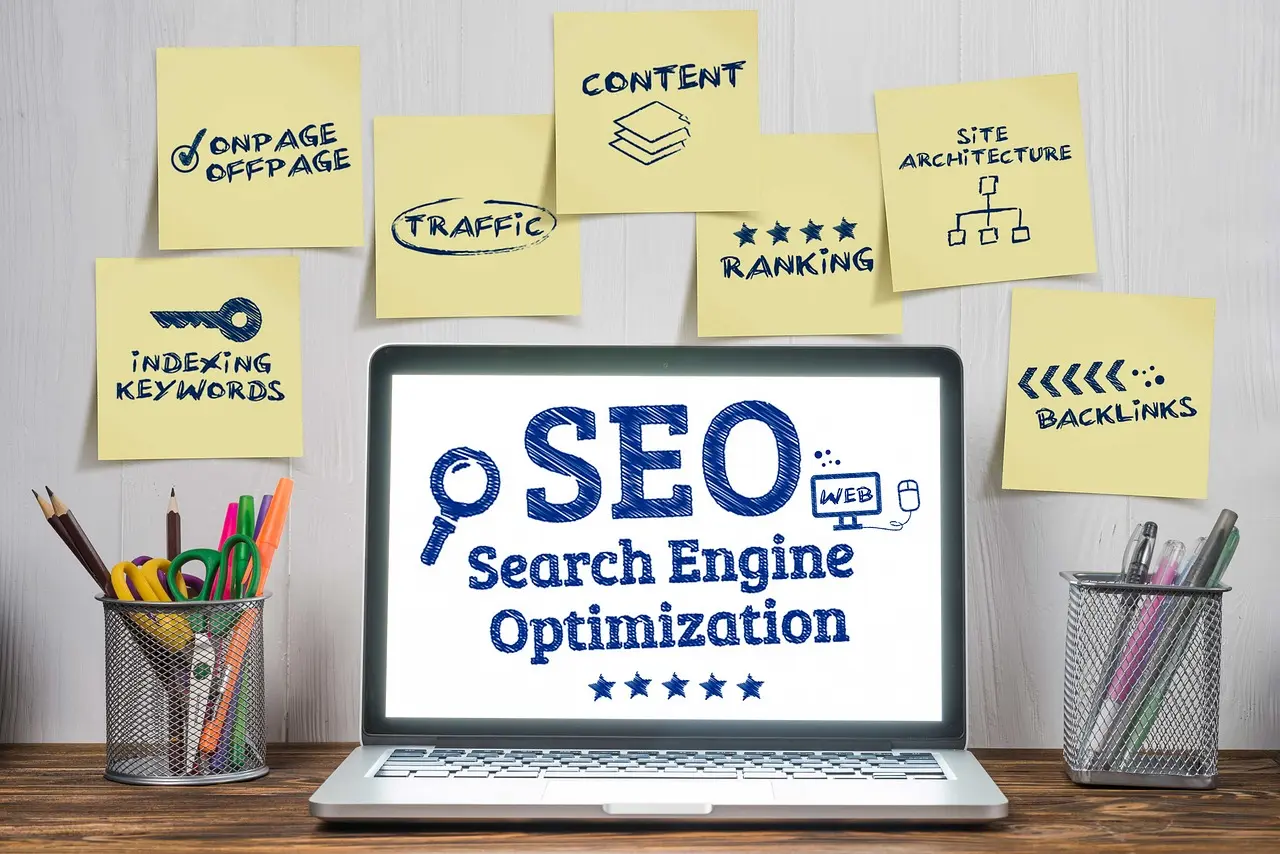
Start measuring the impact of your consistent content publication for SEO by establishing a routine for tracking essential SEO metrics. Without clear measurement, it’s impossible to know whether your investment in regular blogging is truly driving business growth.
- Monitor Key SEO Metrics:
- Track organic traffic using analytics tools to see how many visitors are landing on your site from search engines after you start publishing content consistently.
- Check keyword rankings for your targeted terms—especially those relevant to your services or local area. Regular improvements indicate growing authority and relevance.
- Measure engagement rates, such as average time on page, bounce rate, and how often users interact with your blog or landing pages.
- Assess Online Visibility and Lead Generation:
- Evaluate the number of new leads or inquiries generated through your blog posts and landing pages.
- Compare your site’s visibility in search results before and after implementing a consistent publishing schedule. Tools like Google Search Console can help you analyze impressions and click-through rates.
- If you’re in a specialized industry, look for increases in relevant queries. For example, dental clinics should monitor for growth in searches related to their specific treatments—an area where AI content for dental clinics can provide tailored, locally optimized articles that directly reflect your actual services.
- Refine Your Content Strategy Based on Insights:
- Identify which topics, formats, or publishing times generate the most engagement. Adjust your content schedule for SEO accordingly to amplify what works.
- Update your target keywords as your business evolves or as new opportunities appear in analytics reports.
- Incorporate user feedback or sales data to ensure your content aligns with current customer needs and market demand.
When these steps are followed, you will see clear improvements: your website will attract more targeted visitors, rank higher for business-critical keywords, and convert more readers into leads. Consistent measurement and iterative refinement are at the core of every successful SEO content strategy.
Frequently Asked Questions
How does consistent content publication improve SEO rankings?
Consistent content publication signals to search engines that your website is active and authoritative. Regular updates with relevant, original content improve indexing frequency, target new keywords, and attract more backlinks, all of which contribute to higher SEO rankings and increased organic traffic over time.
What is the ideal frequency for publishing blog posts for SEO?
Publishing one to four high-quality blog posts per month is effective for most small and medium businesses. The key is maintaining consistency and focusing on content that targets relevant keywords, aligns with your services, and offers real value to your audience, rather than just volume.
Can automated publishing maintain the quality of my website content?
Automated publishing can maintain high content quality if the platform customizes content based on your business profile and existing website data. Solutions like Inowara ensure originality and relevance, with options for final review and editing before publication, combining efficiency with quality control.
How do I create a content schedule that aligns with my business goals?
Start by identifying your key services, target audience, and priority keywords. Use SEO analysis to determine topics with high potential. Platforms such as Inowara can automate this process, delivering a tailored monthly content plan that supports your business objectives and market positioning.
What are the main benefits of regular blogging for small businesses?
Regular blogging increases website visibility in search results, builds authority in your niche, attracts qualified leads, and educates potential clients. For businesses without a dedicated content team, automated content solutions make it easy to sustain these benefits without extra workload.
How does Inowara differ from other content automation platforms?
Inowara automatically plans, writes, and publishes SEO-optimized content fully tailored to your services and website data, not generic templates. It supports manual review, integrates with all major CMS platforms, and enables custom connections, providing a seamless and personalized automation experience.
Ready to automate your SEO growth?
Experience effortless organic growth with Inowara’s automated content planning, creation, and publishing—customized for your business. Discover how easy it is to boost your website’s SEO without a dedicated content team at inowara.com.
Conclusion
Achieving sustainable organic growth through consistent content publication is now more accessible than ever, especially for businesses looking to strengthen their SEO without building a dedicated content team. By leveraging platforms like Inowara, small and medium-sized businesses can automate the planning, creation, and publishing of SEO-optimized blogs, landing pages, and images—ensuring that every piece of content is tailored to their unique services and audience. This approach not only saves time but also guarantees that content remains relevant and effective in boosting search visibility.
If you want to accelerate your website’s organic growth with minimal manual effort, discover how automated, customized SEO content can transform your results. Explore the full range of Inowara’s services and see how simple it is to get started at inowara.com.